Author: HF Valves

  • How to Select the Right Valve

    How to Select the Right Valve

    Selecting the right industrial valve requires more than simply matching the valve size to the pipeline. Pressure, temperature, media, valve function, materials, and applicable standards should all be considered before making a selection.

    1. Define the Valve Function

    First, determine what the valve needs to do.

    • Ball valves: Fast and reliable on/off isolation
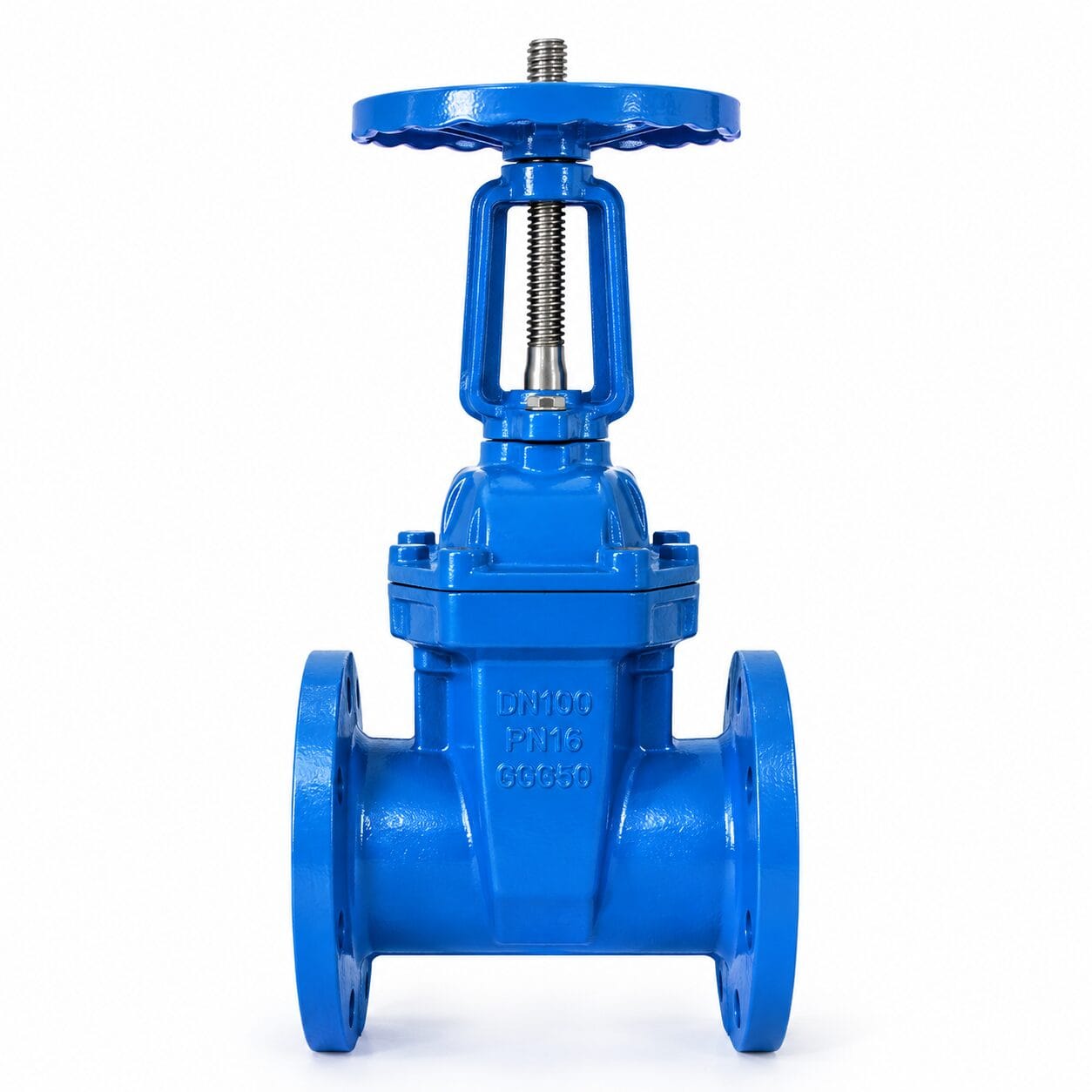
    • Gate valves: Isolation with low pressure drop when fully open
    • Globe valves: Flow regulation and throttling
    • Butterfly valves: Compact isolation and flow control
    • Check valves: Prevention of reverse flow

    The valve should be selected according to its intended function and operating conditions.

    2. Consider the Medium

    The process medium directly affects valve material and sealing design.

    Consider whether the valve will handle water, oil, gas, steam, chemicals, slurry, or abrasive media.

    For corrosive or abrasive service, special attention should be given to the body, trim, seat materials, and surface treatment.

    3. Check Pressure and Temperature

    Pressure and temperature are critical selection parameters.

    The valve’s pressure-temperature rating must be suitable for the actual operating and design conditions. Common pressure classes include Class 150, 300, 600, 900, 1500 and 2500.

    Do not select a valve based on pressure class alone. The material and operating temperature must also be considered.

    4. Select the Right Seat Design

    Seat design has a major influence on valve performance.

    Soft-seated valves are commonly used for general services where temperature and media conditions permit.

    Metal-seated valves are often selected for high-temperature, abrasive, or severe-service applications where greater resistance to wear and temperature is required.

    For metal-seated valves, ball and seat machining accuracy, surface treatment, assembly, and leakage testing are particularly important.

    5. Full Bore or Reduced Bore?

    For ball valves, buyers should also determine whether a full-bore or reduced-bore design is required.

    Full-bore valves are commonly selected when low pressure drop or pipeline pigging is important.

    Reduced-bore valves can provide a more compact and economical solution when a full flow passage is not required.

    6. Check Applicable Standards

    The valve should be designed and tested according to the applicable product and project standards.

    Common standards include:

    • API 6D – Pipeline valves
    • API 600 – Steel gate valves
    • API 608 – Metal ball valves
    • ASME B16.34 – Valves
    • API 598 – Valve inspection and testing
    • ISO 5208 – Pressure testing of metallic valves

    The applicable standard should be clearly defined in the RFQ or purchase specification.

    7. Define Testing and Documentation

    For industrial B2B projects, buyers should also specify the required inspection and documentation, such as:

    Hydrostatic testing, seat leakage testing, PMI, UT, PT, MT, VT, MTC, EN 10204 3.1/3.2 certificates and third-party inspection.

    Clear requirements help prevent misunderstandings between the buyer and manufacturer.


    The correct industrial valve should be selected based on function, medium, pressure, temperature, materials, sealing design, applicable standards, and inspection requirements.

    Providing complete technical information in an RFQ allows the valve manufacturer to recommend the most suitable design for the application.

  • NACE MR0175 / ISO 15156: Valve for Sour Service

    NACE MR0175 / ISO 15156: Valve Requirements for Sour Service

    Valves used in oil and gas production may operate in environments containing hydrogen sulfide (H₂S). Under sour service conditions, unsuitable materials can be susceptible to cracking and premature failure.

    NACE MR0175 / ISO 15156 provides requirements for selecting and qualifying metallic materials for H₂S-containing oil and gas production environments.

    Why Is NACE Important for Valves?

    NACE requirements mainly concern material selection and material condition, not simply valve pressure or leakage testing.

    Depending on the valve design, important components may include:

    • Valve body and bonnet
    • Ball, gate, disc or plug
    • Stem
    • Bolting
    • Weld overlays and hardfacing

    Material grade, heat treatment and hardness can all affect a valve’s suitability for sour service.

    Material and Hardness Requirements

    For carbon and low-alloy steels, hardness control is particularly important because excessive hardness can increase the risk of sulfide stress cracking under certain H₂S conditions.

    However, “NACE valve = maximum 22 HRC” should not be treated as a universal rule. Requirements depend on the specific material, heat treatment and service environment.

    What Should Buyers Specify?

    For a NACE valve order, buyers should provide:

    1. H₂S concentration or partial pressure
    2. Operating temperature and pressure
    3. Required valve material
    4. Applicable valve standard, such as API 6D
    5. Inspection and documentation requirements

    This information allows the manufacturer to properly evaluate material suitability and prepare the required documentation.

    NACE MR0175 vs MR0103

    NACE MR0175 / ISO 15156 is primarily intended for oil and gas production and related gas treatment environments.

    NACE MR0103 / ISO 17945 is generally associated with petroleum refining and downstream sour-service applications.

    The applicable standard should always be confirmed according to the actual service and project specification.

    Conclusion

    For sour-service valves, NACE compliance is more than simply marking a valve as “NACE.” Material grade, heat treatment, hardness and service conditions must be considered together.

    Properly defining NACE requirements during the purchasing stage helps ensure suitable valve materials, reliable performance and complete technical documentation.

  • Valve Leakage Classes Explained: ISO 5208, API 598 and EN 12266-1

    Valve Leakage Classes Explained: ISO 5208, API 598 and EN 12266-1

    Valve leakage is one of the most important performance requirements for industrial valves, particularly in oil and gas, petrochemical, power generation, chemical processing, and other critical applications.

    However, terms such as “zero leakage,” “bubble-tight,” “Rate A,” and “Class VI” are sometimes used without clearly defining the applicable test standard. These terms are not necessarily interchangeable.

    Understanding valve leakage classes and test standards helps engineers and buyers specify the correct valve and avoid unnecessary testing requirements.

    What Is Valve Seat Leakage?

    Valve seat leakage refers to the amount of fluid that passes through the valve closure system when the valve is in the fully closed position and subjected to a specified test pressure.

    The allowable leakage depends on several factors, including:

    • Valve type and size

    • Seat design and material

    • Test medium

    • Test pressure

    • Applicable product standard

    • Project or purchaser requirements

    For this reason, simply specifying “zero leakage” may not be sufficient. A proper valve specification should identify the applicable test standard and acceptance criteria.

    ISO 5208 Leakage Rates

    ISO 5208 specifies pressure testing requirements for metallic industrial valves. It covers tests used to verify pressure boundary integrity, closure tightness, and the structural adequacy of the closure mechanism. ISO 5208 is intended to be used together with the applicable valve product standard.

    ISO 5208 uses a series of leakage rates, including Rate A, AA, B, C, CC, D, E, EE, F and G.

    In general, Rate A represents the most stringent closure tightness requirement, with no visually detectable leakage during the specified test period. The permitted leakage increases as the rate progresses toward the higher-numbered categories.

    The actual allowable leakage depends on the test medium and valve nominal size. Therefore, the leakage rate should always be evaluated together with the complete test conditions rather than by the leakage class alone.

    API 598 and Valve Closure Testing

    API 598, Valve Inspection and Testing, is widely used for industrial and API valves, including gate, globe, plug, ball, butterfly and check valves. It establishes requirements for inspection and pressure testing, including closure tests and allowable leakage.

    For API valves, the required testing is normally determined by the applicable product standard, such as API 6D, together with the purchaser’s specification.

    API 598 provides specific allowable leakage criteria for different valve configurations, including resilient-seated and metal-seated valves. Therefore, metal-seated valves should not automatically be judged by the same leakage criteria as soft-seated valves.

    This distinction is particularly important when specifying ball valves for high-temperature, abrasive, or severe-service applications.

    EN 12266-1 for European Industrial Valves

    EN 12266-1 specifies pressure tests, test procedures, and acceptance criteria for production testing of industrial valves made from metallic materials.

    Its leakage-rate system includes Rates A through G, which are closely related to the corresponding leakage-rate system used in ISO 5208.

    For projects based on European standards, EN 12266-1 may therefore be specified for valve production testing and closure tightness verification.

    As with ISO 5208 and API 598, the applicable valve product standard and project specification should be checked before determining the final acceptance criteria.

    What About ANSI/FCI 70-2?

    ANSI/FCI 70-2 is different from the standards discussed above.

    It is primarily used for control valve seat leakage classification, rather than as a general pressure-testing standard for industrial isolation valves.

    Its leakage classes range from Class I through Class VI, with higher classes generally representing more stringent seat leakage requirements.

    Therefore, a specification such as “Class VI leakage” should not automatically be applied to every industrial ball, gate, globe, or check valve.

    The valve type and applicable standard must first be identified.

    Key Differences Between the Standards
    Standard                       Typical Application                                 Main Purpose
    ISO 5208                      Metallic industrial valves            Pressure and closure tightness testing
    API 598                         API and industrial valves              Inspection and pressure testing
    EN 12266-1                European industrial valves          Production pressure and leakage testing
    ANSI/FCI 70-2        Control valves                                     Seat leakage classification

    These standards address related aspects of valve performance, but they should not be treated as completely interchangeable. The applicable product standard, valve type, service conditions, and purchaser requirements must be considered together.

    Metal-Seated Valves and Leakage Requirements

    For metal-seated ball valves, achieving reliable shut-off performance requires more than simply selecting a metal seat.

    The final sealing performance can be influenced by:

    • Ball and seat machining accuracy

    • Surface finish

    • Seat and ball material

    • Hardfacing or surface treatment

    • Seat design

    • Assembly accuracy

    • Operating conditions

    • Test medium and test pressure

    Metal-seated valves are commonly selected for demanding applications where temperature, erosion, abrasion, or process conditions may limit the use of conventional soft-seat materials.

    However, metal-seated does not automatically mean zero measurable leakage. The required leakage acceptance level must be defined according to the applicable standard and project specification.

    How Should Buyers Specify Valve Leakage?

    When preparing an RFQ or purchase specification, avoid using only general terms such as:

    “Zero leakage required.”

    A clearer specification should identify:

    1. Applicable test standard
    For example, API 598, ISO 5208, or EN 12266-1.

    2. Test medium
    Such as water, air, nitrogen, or another specified medium.

    3. Test pressure

    4. Allowable leakage rate

    5. Test duration

    6. Applicable valve product standard

    This information allows the manufacturer and purchaser to evaluate the same acceptance criteria and reduces the possibility of misunderstandings during inspection and testing.

    Valve leakage classification is not simply a matter of choosing the highest possible class. The correct requirement depends on the valve type, seat design, service conditions, applicable product standard, and project requirements.

    ISO 5208, API 598, and EN 12266-1 provide important frameworks for industrial valve pressure and closure testing, while ANSI/FCI 70-2 is primarily associated with control valve seat leakage classification.

    For buyers and engineers, the best approach is to define the applicable standard and measurable acceptance criteria rather than relying on general terms such as “zero leakage.”

    For valve manufacturers, consistent machining, material control, assembly, inspection, and pressure testing are essential to achieving reliable and repeatable sealing performance.
  • API 598 vs ISO 5208: What Is the Difference?

    API 598 vs ISO 5208: What Is the Difference?

    When purchasing industrial valves, API 598 and ISO 5208 are two commonly referenced standards for valve inspection and pressure testing.

    Although both cover valve pressure and closure testing, they are not identical or automatically interchangeable.

    What Is API 598?

    API 598 – Valve Inspection and Testing is an American Petroleum Institute standard widely used in the oil and gas, petrochemical, pipeline, and industrial valve industries.

    It covers inspection and pressure testing for valves such as:

    • Gate valves
    • Globe valves
    • Ball valves
    • Plug valves
    • Check valves
    • Butterfly valves

    API 598 includes requirements for shell testing, closure testing, backseat testing, and other inspections, depending on the valve type and applicable requirements.

    It is commonly used together with API product standards such as API 600, API 602, API 608, and API 6D.

    What Is ISO 5208?

    ISO 5208 – Industrial valves — Pressure testing of metallic valves is an international standard for pressure testing metallic industrial valves.

    Its main purpose is to verify:

    • Pressure-boundary integrity
    • Closure tightness
    • Structural adequacy of the valve

    ISO 5208 is intended to be used together with the applicable valve product standard. If the product standard specifies different requirements, those requirements take precedence.

    API 598 vs ISO 5208

    The main difference is their overall scope and standards framework:

    API 598ISO 5208
    Main focusValve inspection & testingPressure testing
    OrganizationAPIISO
    Typical useOil & Gas, petrochemical, pipelineInternational industrial applications
    Shell testYesYes
    Closure testYesYes
    Product standard relationshipCommonly used with API standardsUsed with applicable product standards

    Therefore, a requirement for API 598 should not automatically be replaced by ISO 5208, even when the physical testing procedures may appear similar.

    Which Standard Should You Specify?

    The correct choice depends on the valve product standard and project specification.

    For example, if a project specifies an API 6D ball valve with testing according to API 598, the manufacturer should follow the specified API requirements rather than substitute another testing standard without approval.

    For projects using ISO-based specifications, ISO 5208 may be required instead.

    When preparing an RFQ, avoid simply writing “hydro test required.” Clearly state the applicable testing standard, test conditions, and leakage acceptance criteria.


    API 598 and ISO 5208 both address valve pressure and closure testing, but they belong to different standards frameworks.

    For accurate valve procurement, always confirm the product standard, testing standard, test conditions, and acceptance criteria before quotation and inspection

  • Top 10 Butterfly Valve Manufactures Worldwide

    Top 10 Butterfly Valve Manufactures Worldwide

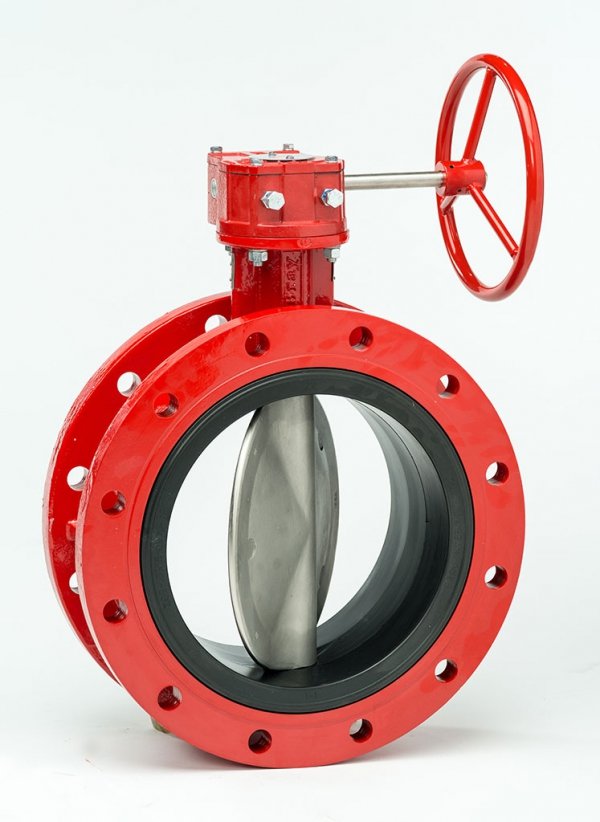
    Butterfly valve is a type of quarter-turn valve to regulate the flow. It operates by rotating a disc that mounted on a rod. The disc blocks the flow while the valve is fully closed.  When it is fully opened, the disc rotates a quarter turn so that the fluid can pass through. The butterfly valve market is competitive and features several prominent manufacturers. Here we list 10 well-known butterfly valve manufacturers in the world. They are known for their quality, innovation, and market presence:

    1. Emerson Electric Co. (Fisher and Keystone)

    • Headquarters: Louis, Missouri, USA
    • Set up in 1890, Emerson is a global leader in technology and engineering by providing high-performance butterfly valves  under its Fisher and Keystone brands. The valves play a crucial role in industries such as oil and gas, chemical, and water treatment.

    2. Flowserve Corporation

    • Headquarters: Irving, Texas, USA
    • Founded in 1997, Flowserve is one of the largest manufacturers of pumps, valves, seals, and automation systems. Their butterfly valves are known for durability and performance in demanding environments like power generation, water resources, and chemical processing.

    3. Pentair Valves & Controls (previously Tyco International)

    • Headquarters: London, UK
    • Founded in 1966  (as Tyco International, merged with Pentair in 2012), Pentair offers a wide range of butterfly valves under brands like Keystone, focusing on reliable valve solutions for water treatment, and infrastructure applications.

    4. KSB SE & Co. KGaA

    • Headquarters: Frankenthal, Germany
    • KSB is a leading supplier of pumps, valves, and related systems.  Widely used in water treatment, building services, energy, and industrial applications due to the precision engineering and reliability.

    5. Bray International, Inc.

    • Headquarters: Houston, Texas, USA
    • Founded in 1986, Bray specializes in flow control and automation products, including innovative and high-performance butterfly valves. Widely used in oil and gas, water and wastewater, and power industries.

    6. AVK Group

    • Headquarters:  Galten, Denmark
    • Founded in 1941, AVK Group is also a global manufacturer of valves, hydrants, and accessories for water and gas distribution, sewage treatment, fire safe. Their butterfly valves are famous for high quality and reliability.

    7. Crane Co.

    • Headquarters: Stamford, Connecticut, USA
    • Founded in 1855, Crane Co. produces a wide range of industrial products including butterfly valves. Known for their robust design  with Crane ChemPharma & Energy brand.

    8. Velan Inc.

    • Headquarters: Montreal, Canada
    • Founded in 1950, Velan is a global leader in the design and manufacture of industrial valves, including high-performance butterfly valves. They also serve various industries, including power generation, oil and gas, and petrochemicals.

    9. Danfoss A/S

    • Headquarters: Nordborg, Denmark
    • Founded in 1933,  Danfoss is a global leader in energy-efficient solutions. It offers a range of butterfly valves widely used in HVAC, industrial refrigeration, and water management applications.

    10. Neles Corporation

    • Headquarters: Vantaa, Finland
    • Founded in 1956 (originally part of Metso, became Neles in 2020), Neles specializes in flow control solutions and services for process industries, including oil and gas, pulp and paper, and chemicals. Moreover,their butterfly valves are known for reliability and efficiency.

    Conclusion

    These butterfly valve manufacturers are leaders in the industry due to their extensive product ranges, commitment to quality, and strong global presence. Their butterfly valves play a crucial role  in various applications, like water treatment , chemical processing ,oil and gas ,power plant.  Beside, continuously innovation makes these companies remain at the forefront of meeting the diverse industry needs .

    However, with the rapidly growing due to increasing industrialization and infrastructure development. Chinese butterfly valve manufacturers are also enhancing their technological capabilities and quality standards to meet needs globally. The market is characterized by competitive pricing and expanding domestic and international demand, thus positioning China as a significant player in the global butterfly valve market.


  • Main cover connection methods for forged gate valve

    Main cover connection methods for forged gate valve

    There are three main types of cover connection methods for forged steel gate and globe valves. What are they and how to choose the best method. Today we are will introduce  some of main cover connection methods to help you better understand the secret of valves.

              1. Bolted:  The valve body is connected to the valve cover by bolts,  It offers:

    • Easy disassembly: Ideal for frequent maintenance and inspection.
    • Cost-effective: Simpler design and maintenance process.

    2. Welded: This method creates a permanent seal between the body and cover. It’s suitable for:

    • High-pressure applications: Ensures no leaks even under demanding conditions.
    • Safety-critical systems: Eliminates the risk of leakage in sensitive applications.

    3. Pressure-sealed: This design uses screws to hold the body and cover together, but the sealing is achieved by a compressible gasket that responds to internal pressure. It provides:

    • Balance between maintenance and sealing: Easier disassembly than welded, with good sealing performance.
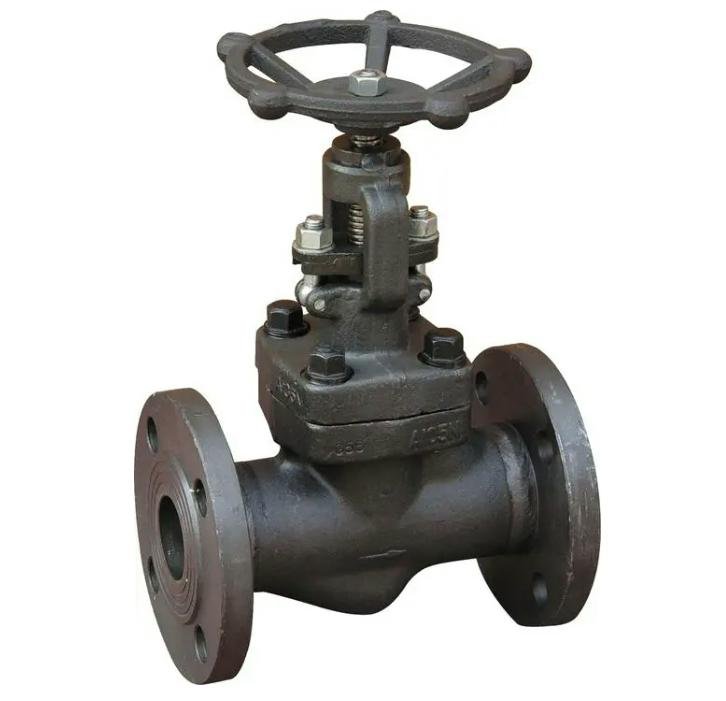
    • Pressure-assisted sealing: Seal improves as internal pressure rises, beneficial for globe valves.

    The best choice for application will depend on factors like pressure rating, desired level of maintenance access, and budget:

    • Pressure Rating: For high pressures (as specified by the manufacturer), a welded connection is essential for safety and leak prevention. Bolted or pressure-sealed might not be sufficient.
    • Maintenance Needs:  bolted connection allows for easier disassembly if frequent maintenance required . For applications with minimal disassembly needs, welded or pressure-sealed is better.
    • Budget: Welded connections are generally more expensive due to complex manufacturing and specialized maintenance needs. Bolted connections are most cost-effective. Pressure-sealed falls somewhere in between.
    • Specific industries might have regulations regarding valve cover connections. Ensure your choice complies with any relevant standards. Larger valves might benefit from bolted connections for easier handling during maintenance. Consult the manufacturer’s specifications for their recommendations on the appropriate cover connection method based on the valve’s pressure rating and design
  • Fully Welded Ball Valve

    Fully Welded Ball Valve

    Product

    Fully Welded Ball Valve

    Fully Welded Ball Valve features a fully welded body design that provides excellent strength, leak resistance, and long service life under demanding pipeline conditions. With a compact structure and low maintenance requirements, it is ideal for buried pipelines and critical applications. It is widely used in oil & gas, natural gas, district heating, and pipeline transmission systems, providing reliable shut-off and flow control performance.

    Specification

    Nominal diameter

    2″ – 48″ (DN 50-DN 1200)

    Pressure range

    CLASS 150 – CLASS 2500 (Mpa 1.6- Mpa 42.0)

    Materials

    A105, LF2, F316, F11, F304, F316

    Design standard

    API 6D, API 608, API598, ASME B16.34, ISO 17292, BS5351

    Connection ends

    BW、SW

    Flange Dimension Standards

    ASME B 16.5, ASME B16.47, ASME B16.25, ASME B16.11

    Operation

    Manual、Pneumatic、Electric、Gas-liquid interaction etc. 

    Temperature

    -196℃-540℃

    Pressure Test Standards

    API598 , API 6D , BS12569

    Application

    Petroleum、Natural gas、Chemical、petrochemical、Power plant、Metallurgy、Papermaking etc. 

    Fully Welded Ball Valve

    Features:

    1. It is made of carbon steel seamless steel pipe pressed and formed integral welded ball valve, which can withstand frequent operation in the presence of impurities and chemicals, and has a long service life.
    2. The valve is compact, lightweight,extension stem also easy to keep warm and install.
    3. Adopts carbon-strengthened PTFE inclined elastic sealing ring with negative pressure on the spherical surface, zero leakage and long service life.
    4. The stem uses two “O” rings, allowing the stem to rotate freely and seal tightly.
  • Top Entry Ball Valve

    Top Entry Ball Valve

    Product

    Top Entry Ball Valve

    Top Entry Ball Valve features a top-mounted design that allows easy maintenance and inspection without removing the valve from the pipeline. Designed for high-pressure and critical applications, it provides reliable sealing, low operating torque, and long service life. It is widely used in oil & gas, petrochemical, power, and pipeline industries for safe shut-off and flow control.

    Top entry ball valve

    Specification

    Nominal diameter

    1/2″ – 60″ (DN15- DN 1500)

    Pressure range

    CLASS 150 – CLASS 2500 (Mpa 1.6- Mpa 42.0)

    Materials

    Carbon Steel, Stainless Steell, Duplex, Super Duplex, Inconel

    Design standard

    API 6D, API 608, API598, ASME B16.34, ISO 17292, BS5351  

    Connection ends

    RF、RTJ、BW、SW

    Flange Dimension Standards

    ASME B 16.5, ASME B16.47, ASME B16.25, ASME B16.11

    Operation

    Manual、Pneumatic、Electric、Gas-liquid interaction etc. 

    Temperature

    -196℃-540℃

    Pressure Test Standards

    API598 , API 6D , BS12569

    Application

    Oil and gas、Chemical、petrochemical、Power plant、Metallurgy、Papermaking etc. 

    Features:

    1. Top entry ball valve is valve Installing ball into valve body by the upper for repairing conveniently.
    2. Top entry ball valve adopts elastic interface structure, which can adapt to different deviations of the pipeline, and increase the tightness and life of the valve.
    3. The valve stem adopts self-sealing structure to improves the reliability and tightness.
    4. It can be made of different materials, and is suitable for use in various media, pressure and environments.
  • Forged Steel Trunnion Mounted Ball Valve

    Forged Steel Trunnion Mounted Ball Valve

    Product

    Forged Steel Trunnion Mounted Ball Valve

    Specification:

    Nominal diameter

    2″ – 48″ (DN 50-DN 1200)

    Pressure range

    CLASS 150 – CLASS 900 (Mpa 1.6- Mpa 15.0)

    Materials

    A105、LF2, F316, F11, F304, F316, F51 , F55;

    Design standard

    API6D、ASME B16.34、BS5351、ISO17292、DIN

    Connection ends

    RF、RTJ、BW、NPT、SW

    Operation

    Manual、Pneumatic、Electric、Gas-liquid interaction etc. 

    Temperature

    -196℃-540℃

    Pressure Test

    API598 API 6D、  BS12569

    Application

    Oil and gas、Natural gas、Chemical、petrochemical、Power plant、Metallurgy、Papermaking etc. 

    trunnion mounted ball valve

    Main Parts Material:

    Body

    A105

    A105

    F304, F304L

    F316, F316L

    LF2, LF1

    Ball

    A105+ENP/HCr,

    F6a+HCr

    A105+ENP,

    F6a+ENP

    F304, F304L+HCr

    F316, F316L+HCr

    F304+HCr

    Stem

    A105+ENP,

    A182 F6a

    A105+ENP,

    4140+ENP

    F304, F304L

    F316, F316L

    F304

    Gland

    A105+ENP

    A105+ENP

    F304, F304L

    F316, F316L

    F304

    Seat

    PTFE/RPTFE,   NYLON, PPL, PEEK, EPDM, VITON,DEVLON

    Packing

    PTFE, PPL, GRAPHITE

    Gasket

    PTFE, PPL, GRAPHITE

    Stud

    A193-B7

    A193-B7M

    A193-B8/B8M

    A193-B8/B8M

    A320-L7/L7M

    Nut

    A194-2H

    A194-2HM

    A194-8/8M

    A194-8/8M

    A194-7/7M


    Features:


    1. It is suitable for high temperature and high pressure corrosion resistant environment
    2. Anti-static setting. Thereby ensuring the safety and stability of industrial production.
    3. The surface of the ball and the sealing surface of the valve seat are tightly connected to ensure a good sealing effect
    4. Movable metal seat structure with leaf spring preload, easy to open and close.
  • Forged Steel Floating Ball Valve

    Forged Steel Floating Ball Valve

    Product

    Forged Steel Floating Ball Valve

    Forged Steel Floating Ball Valve is designed for reliable shut-off applications in oil and gas, chemical, power, and industrial pipeline systems. Manufactured from high-quality forged steel, it features a compact structure, high strength, and excellent sealing performance. The floating ball design ensures tight shut-off under various pressure conditions with low operating torque. Available in API and ASME standards, it is suitable for high-pressure and demanding applications, offering long service life, stable operation, and easy maintenance.

    Specification

    Design Standard: API 6D / API 608

    Size Range: 1/2″ – 4″ (DN15 – DN100)

    Pressure Rating: Class 150 – Class 1500

    Body Material: Carbon Steel, Stainless Steel, Alloy Steel

    End Connection: Threaded, Socket Weld (SW), Butt Weld (BW), Flanged

    Face to Face: ASME B16.10 (Flanged End)

    Testing Standard: API 598 / API 6D

    Temperature Range: According to material and seat selection

    Applicable Medium: Water, Oil, Gas, Steam, and Chemical Fluids

    Operation: Lever, Gear Operator, Pneumatic or Electric Actuator 

    forged steel floating ball valve

    Main Parts Material:

    Body

    A105

    A105

    F304, F304L

    F316, F316L

    LF2, LF1

    Ball

    A105+ENP/HCr

    A105+ENP

    F304, F304L+HCr

    F316, F316L+HCr

    F304+HCr

    Stem

    A105+ENP/

    A182 F6a

    A105+ENP/

    4140+ENP

    F304, F304L

    F316, F316L

    F304

    Seat

    PTFE/RPTFE , NYLON, PPL , PEEK, EPDM, VITON,DEVLON

    Packing

    PTFE, PPL, GRAPHITE

    Gasket

    PTFE, PPL, GRAPHITE

    Stud

    A193-B7

    A193-B7M

    A193-B8/B8M

    A193-B8/B8M

    A320-L7/L7M

    Nut

    A194-2H

    A194-2HM

    A194-8/8M

    A194-8/8M

    A194-7/7M

    Features:

    1. Corrosion-resistant, pressure-bearing capacity
    2. Automatic adjustment of tightness, stable and reliable
    3. It is suitable for high temperature and high pressure, strong corrosion conditions, and has a long life.
    4. Comply with API, CE, ISO and other related standards, high security and stability